Introduction
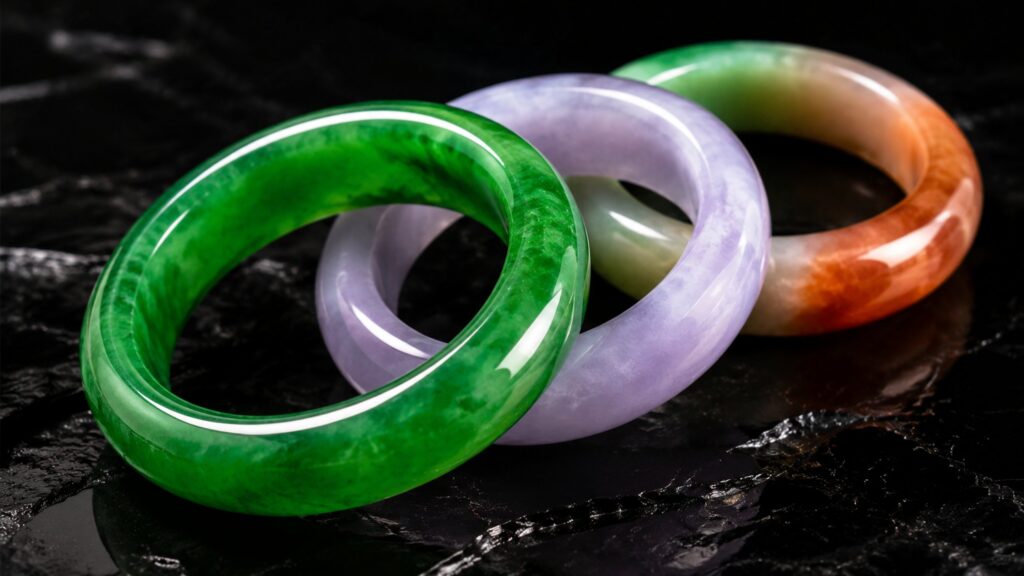
Color is one of the most important factors in determining the beauty, rarity, and value of natural jadeite. Unlike many other gemstones, jadeite comes in a wide spectrum of hues, but three color categories stand out among collectors and connoisseurs: green, violet, and tricolor. Each category offers a distinct aesthetic and cultural significance, and understanding their characteristics can help you make a confident purchase. At VirtuCasa’s jadeite collection, you’ll find authentic pieces representing these color families, crafted from natural jadeite with no treatments. This guide explores the qualities, types, and price factors of each color category, with insights drawn from reputable gemological resources.
Understanding Quality
Before diving into color, it’s essential to understand the key quality factors that affect jadeite’s value across all categories. These include transparency, texture, color distribution, and craftsmanship.
Transparency and Texture
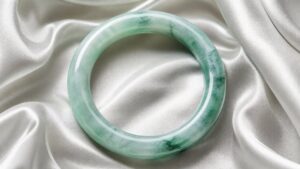
Jadeite is often graded by its transparency, with “ice-type” being the most prized. Ice-type jadeite has a translucent, almost glassy appearance that allows light to pass through, giving it a cool, lustrous sheen. As noted in professional jadeite buying guides, stones with high transparency and fine, compact textures are considered top quality. VirtuCasa offers several ice-type pieces, such as the Natural Ice-type Jadeite Bracelet with Floating Green Patterns and the Natural Ice-type Violet Jade Bead Necklace, which exemplify this clarity.
Color Uniformity and Saturation
Color should be even and vibrant. Evenly distributed color in green or violet jadeite generally commands higher prices. For tricolor jadeite, the harmonious blending of multiple hues—such as yellow, green, and white—is highly valued. According to jade buying FAQs from gemological experts, color is the first of the “Four Cs” to evaluate. Always inspect the stone under natural light to assess its true color.
Carving and Setting
The skill of the carving and the quality of the setting also affect overall appeal. VirtuCasa’s pieces feature traditional designs like the saddle ring and cabochon cut, often paired with 18K gold or diamonds. These settings protect the jadeite while enhancing its natural beauty.
Types & Styles
VirtuCasa carries a variety of styles within each color category. Below are highlights from their current offerings.
Green Jadeite
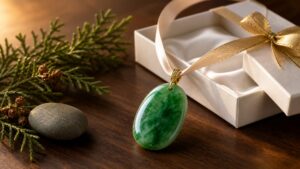
Green is the classic jadeite color, ranging from pale mint to deep imperial. For a rich, full green, the Natural Full-Green Jadeite Saddle Ring ($2,437) is a standout—carved from a single piece with even coloration and a warm vitreous luster. If you prefer a more subtle green, the Natural Jadeite Saddle Ring with Floating Green ($719) features elegant green patches floating on a lighter base. For a vibrant, deep green suitable for everyday wear, the Natural Jadeite Tassel Earrings ($852) combine green beads with 18K gold-plated chains.
Violet Jadeite
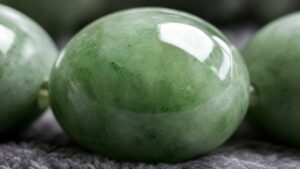
Violet jadeite (sometimes called lavender) is rare and treasured for its soft, romantic hue. The Natural Ice-type Violet Jade Bead Necklace ($6,649) is the epitome of this category—translucent lavender beads with diameters from 10mm to 12mm, offering a substantial yet comfortable feel. For a more affordable entry point, the Natural Jadeite Bracelet ($1,008) presents a delicate lavender-white shade with uniform color and a gentle luster. The Natural Ice-type Violet Jadeite Cabochon Ring Set ($1,926) pairs a vivid violet cabochon with 18K white gold, sapphires, and diamonds, making it a stunning statement piece.
Tricolor Jadeite
Tricolor jadeite, featuring three distinct hues naturally blended in one stone, is considered especially lucky in Chinese culture. VirtuCasa’s Natural Three-Color Jadeite Bracelet ($668) combines yellow, white, and light green in smooth beads—a harmonious and affordable choice. For those who appreciate ice-type transparency, the Natural Ice-type Tricolor Jade Necklace ($825) showcases yellow, green, and white in 5.3mm beads, while a second version ($740) offers green, yellow, and orange in smaller 3.5mm beads for a refined, delicate look.
How to Choose the Right Size & Fit
When selecting jadeite jewelry, correct sizing ensures comfort and security. For bracelets, check the bead diameter and total circumference. For example, the Natural Jadeite Bracelet uses 10mm beads and a total circumference of 18cm, fitting wrists of 16–19cm. The Ice-type Tricolor Necklaces have bead diameters of 5.3mm and 3.5mm—choose based on how prominent you want the beads to appear. Ring sizes are specified for saddle rings (size 24, 26 for the green options) and the cabochon ring (size 15). If you’re unsure, measure your current jewelry or consult a professional jeweler. VirtuCasa’s products often feature elastic cords or adjustable designs for flexible fit.
Price & Value
Jadeite pricing depends on color, transparency, size, and craftsmanship. Generally, pieces with high ice-type clarity and rare colors command premium prices. Among green jadeite, the full-green saddle ring ($2,437) and the ice-type floating green bracelet ($1,517) represent mid-to-high-end options, while the floating green saddle ring ($719) is a more accessible entry. Violet jadeite varies widely: the ice-type violet bead necklace ($6,649) is a collector’s piece due to its size (68 beads up to 12mm) and clarity, whereas the lavender-white bracelet ($1,008) offers a more affordable yet natural beauty. Tricolor pieces are often priced modestly—the three-color bracelet ($668) and ice-type necklaces ($740–$825) provide excellent value for the rarity of multiple natural colors. Remember that untreated natural jadeite retains its value better than treated stones.
Common Mistakes to Avoid
- Buying based only on color, ignoring clarity — A vivid color means little if the stone is opaque or has visible cracks. Always check for translucency and fine texture.
- Overlooking the treatment status — Some jadeite is dyed or polymer-impregnated. Trusted sellers like VirtuCasa specify “natural jadeite” to ensure authenticity. As recommended by this jade buying guide from a Singapore jeweler, always purchase natural Type A jadeite for long-term stability.
- Neglecting size and fit — A beautiful necklace that is too tight or a ring that is too loose will not be comfortable. Refer to measurement details provided (e.g., bead diameters, ring sizes).
- Confusing jadeite with jade — Jadeite is rarer and more valuable than nephrite. Ensure your piece is labeled “jadeite” if that is what you seek.
Top Picks
Based on quality, color, and price, here are three recommended products for different buyers:
- For the green enthusiast seeking a statement piece: Natural Full-Green Jadeite Saddle Ring ($2,437) – perfect for those who want a classic, uniform green in a traditional setting.
- For the lover of rare violet tones with investment potential: Natural Ice-type Violet Jade Bead Necklace ($6,649) – a substantial, high-transparency piece ideal for collectors.
- For someone wanting a unique, symbolic piece at a moderate price: Natural Three-Color Jadeite Bracelet ($668) – tricolor jadeite is believed to bring luck, and this bracelet is both beautiful and comfortable.
- For an everyday accessory with elegant color: Natural Jadeite Bracelet ($1,008) – the soft lavender-white beads offer a subtle, refined look suitable for daily wear.
Final Tips
Navigating jadeite color categories becomes easier once you focus on the interplay of color, clarity, and craftsmanship. Always buy from a reputable source that clearly labels products as natural jadeite, like VirtuCasa. Take your time to compare pieces within your budget—whether you’re drawn to the deep green of classic jade, the ethereal violet, or the symbolic tricolor, each category has something special. When in doubt, trust your eye and seek out documentation of authenticity. With the right knowledge, you can find a piece that brings lasting pleasure and value.
FAQ
What are the three main color categories of jadeite?
The three main color categories are green, violet (lavender), and tricolor (a natural combination of three hues such as yellow, green, and white). These categories are highly valued for their rarity and cultural significance.
What does ‘ice-type’ jadeite mean?
Ice-type jadeite refers to a high-quality jadeite with exceptional transparency and a cool, glassy luster. It is considered premium because it allows light to pass through the stone, revealing fine internal textures. Examples include the Natural Ice-type Jadeite Bracelet with Floating Green Patterns and the Natural Ice-type Violet Jade Bead Necklace.
Is tricolor jadeite more valuable than single-color?
Tricolor jadeite is rarer due to the natural blending of multiple hues in one stone, and it is often considered lucky in Chinese culture. However, value also depends on factors like transparency, color harmony, and overall quality. VirtuCasa offers tricolor pieces at accessible prices, such as the Natural Three-Color Jadeite Bracelet ($668).
How can I ensure I’m buying natural, untreated jadeite?
Always purchase from a reputable seller that explicitly states ‘natural jadeite’ and provides details about the stone’s origin. Avoid pieces with vague descriptions like ‘jade’ or ‘treated’. Reputable online guides recommend verifying for Type A jadeite, which is completely natural and structurally stable.