Introduction: Why Color Intensity Matters in Jadeite
Jadeite, the most precious form of jade, has been revered for millennia in Chinese culture as a symbol of purity, beauty, and status. When collectors and connoisseurs evaluate jadeite, the first attribute they consider is color — specifically its intensity. The depth and richness of green, or the soft allure of lavender, can dramatically influence both the aesthetic appeal and the market value of a piece. Understanding how to judge color intensity is essential for anyone looking to invest in natural jadeite jewelry, whether you are a first-time buyer or a seasoned collector.
At VirtuCasa’s jadeite collection, you will find a range of natural jadeite pieces that showcase the spectrum of color intensity, from the deep, vibrant green of tassel earrings to the soft, ethereal lavender of ice-type necklaces. This guide will walk you through the nuances of color intensity, helping you make informed decisions that align with your personal taste and budget. By the end, you will be equipped to distinguish a high-value piece from an average one, ensuring that your purchase is both beautiful and a wise investment.
Understanding Quality: The Key Factors of Jadeite Value
When assessing jadeite, gemologists and dealers refer to the “Three Cs” — color, clarity, and cut — similar to diamonds, but with a unique emphasis on color. However, jadeite’s value is also determined by its texture, translucency, and the presence of any treatments. This section breaks down the critical quality factors that influence how color intensity is perceived and valued.
Color Hue and Saturation
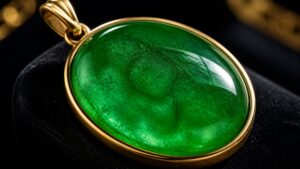
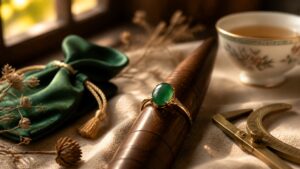
The hue of jadeite can range from deep emerald green to pale lavender, yellow, white, and even orange. The most coveted color is a vivid, even green, often described as “imperial green.” Saturation refers to the purity and depth of that hue. A stone with high saturation appears rich and vibrant, while a lower saturation may look washed out or grayish. For example, the Natural Full-Green Jadeite Saddle Ring features an even “full green” coloration that is dense yet translucent, illustrating the ideal of high saturation.
Transparency and Texture
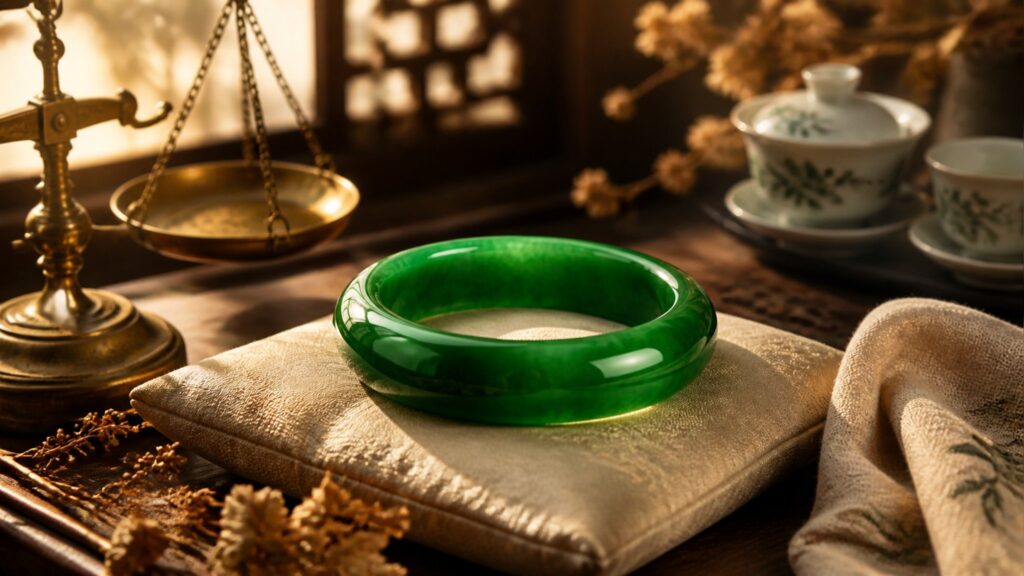
Transparency, often called “water” in jadeite terminology, is another crucial factor. Ice-type jadeite, which is highly transparent and often compared to ice, is particularly prized. The Natural Ice-type Jadeite Bracelet with Floating Green Patterns is a prime example, with its transparent, crystalline structure that allows light to pass through, enhancing the visual impact of the floating green patterns. Texture, or the fineness of the internal grain, also affects value; a smooth, compact texture is more desirable than a coarse one.
Treatment and Authenticity
Natural, untreated jadeite (Type A) is the most valuable. Treatments such as bleaching, polymer impregnation (Type B), or dyeing (Type C) can enhance appearance but significantly reduce value. According to jadeite buying guides that emphasize the importance of Type A authenticity, ensuring your jadeite is natural is paramount. VirtuCasa’s products are all described as natural, such as the Natural Jadeite Bracelet, which is crafted from natural jadeite beads with no mention of treatment.
Types & Styles: Exploring Jadeite Varieties
Jadeite comes in a variety of colors and styles, each with its own appeal and value proposition. Understanding these types helps you appreciate the diversity and choose pieces that match your preferences.
Green Jadeite
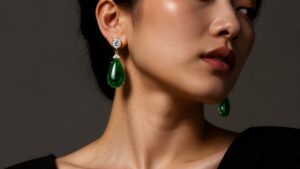
Green is the classic and most sought-after color. It ranges from pale, almost translucent greens to the deep, saturated “imperial” green. The Natural Jadeite Tassel Earrings feature a deep green that is rich and vibrant, with a glassy luster that exemplifies high-intensity color in a wearable form. For a more understated option, the Ice-type Bracelet with Floating Green shows how green can appear as ethereal patterns against a transparent base.
Lavender (Violet) Jadeite
Lavender jadeite is prized for its rarity and soft, calming beauty. The Natural Ice-type Violet Jade Bead Necklace is a stunning example, with its translucent, glossy appearance and soft lavender hue that emanates a cool, ethereal charm. Similarly, the Natural Ice-type Violet Jadeite Cabochon Ring Set showcases a vivid violet hue with excellent transparency, set in 18K white gold with sapphires and diamonds for a luxurious finish.
Tricolor Jadeite
Tricolor jadeite, featuring combinations of yellow, green, and white (or orange), is highly valued for its rarity and artistic appeal. The Natural Three-Color Jadeite Bracelet combines yellow, white, and light green in harmonious blend, while the Natural Ice-type Tricolor Jade Necklace offers a more delicate version with 5.3mm beads. These pieces are not only jewelry but also wearable art, celebrating the natural variations of jadeite.
How to Choose the Right Size & Fit
When selecting jadeite jewelry, size and fit are practical considerations that affect comfort and wearability. For bracelets, the circumference and bead diameter determine how it sits on the wrist. The Natural Jadeite Bracelet, for example, has a total circumference of about 18cm, suitable for wrists measuring 16-19cm. The Ice-type Bracelet uses larger 16mm beads and weighs 101g, offering a more substantial feel.
For rings, the size is typically indicated by a number, but it’s essential to understand that these numbers may not correspond to standard US ring sizes. For instance, the Natural Full-Green Jadeite Saddle Ring is listed as a “24-ring size,” which is not a standard US size. It is described as suitable for fingers with a moderate circumference. Similarly, the Natural Jadeite Saddle Ring with Floating Green is a “26 ring size,” also for moderate circumference. In contrast, the Cabochon Ring Set is a size 15, which is closer to standard sizing. Always refer to the product’s specific measurements and, if possible, consult with the seller for guidance on fit.
Price & Value: What Drives the Cost
The price of jadeite is influenced by several factors, with color intensity being among the most significant. High-intensity green, especially in large, translucent pieces, commands premium prices. For example, the Natural Ice-type Violet Jade Bead Necklace is priced at $6649, reflecting its rarity and the substantial weight of 158g. In contrast, the Natural Ice-type Tricolor Jade Necklace (with 3.5mm beads) is $740, a more accessible entry point.
Other factors include the quality of the setting, such as the 18K white gold and diamond accents on the Cabochon Ring Set at $1926. The craftsmanship, such as the saddle ring design of the Full-Green Saddle Ring at $2437, also adds value. As with any gemstone, the interplay of color, clarity, cut, and carat weight (here, the size and weight of the jadeite) determines the final price. It’s essential to view price as a reflection of these combined qualities, not just color alone.
Common Mistakes to Avoid
- Overlooking treatment status: Always verify that jadeite is natural (Type A) to avoid overpaying for treated stones.
- Ignoring transparency: A stone with high color but poor transparency may be less valuable than a lighter-colored but more translucent piece.
- Misjudging ring sizes: As seen with saddle rings, sizes like “24” or “26” are not standard; always check the actual circumference description.
- Focusing only on green: Lavender and tricolor jadeite can be equally valuable and beautiful; don’t dismiss them.
- Not considering the setting: The quality of the metal and any accent stones can affect both the aesthetics and the price.
Top Picks: Recommendations for Every Buyer
Based on the VirtuCasa catalog, here are some standout pieces that exemplify excellent color intensity and value.
For the Collector of Imperial Green: The Natural Full-Green Jadeite Saddle Ring ($2437) offers an even, dense green that is rare and highly prized. Its traditional saddle design makes it a timeless piece for those who appreciate classic aesthetics.
For the Modern Minimalist: The Natural Jadeite Tassel Earrings ($852) feature deep green beads with a glassy luster, elegantly paired with 18K gold-plated chains. The 6cm length and 8g weight make them light and comfortable for daily wear.
For the Lavender Lover: The Natural Ice-type Violet Jadeite Cabochon Ring Set ($1926) is a stunning choice, featuring a vivid violet cabochon set in 18K white gold with sapphires and diamonds. It’s a statement piece that combines modern design with traditional jadeite.
For the Budget-Conscious Shopper: The Natural Three-Color Jadeite Bracelet ($668) offers a unique blend of yellow, white, and light green at an accessible price point. The 12mm beads and 35g weight provide a substantial feel without being heavy.
For the Serious Investor: The Natural Ice-type Violet Jade Bead Necklace ($6649) is a premium investment piece, with 68 beads of high-quality ice-type violet jadeite. Its 158g weight and versatility in styling make it a cornerstone of any jadeite collection.
Final Tips & Conclusion
Judging jadeite color intensity is a skill that improves with knowledge and experience. Remember that the most valuable jadeite combines vivid color with high transparency and a fine texture. Always seek out natural, untreated stones, and consider the overall craftsmanship and design. As you explore the VirtuCasa jadeite collection, trust your eye and use the principles outlined in this guide to make a choice you’ll treasure for years.
Whether you are drawn to the deep greens, the ethereal lavenders, or the harmonious tricolors, each piece of jadeite tells a story of nature’s artistry. By understanding what drives value, you can select a piece that not only enhances your personal style but also holds its worth over time. Happy hunting!
FAQ
What is the most important factor in judging jadeite value?
Color intensity is often considered the most important factor, but it must be balanced with transparency, texture, and authenticity. A vivid green with good translucency is typically most valuable.
How can I tell if jadeite is natural or treated?
Look for certification or detailed descriptions that state ‘natural’ or ‘Type A’. Treated jadeite (Type B or C) has been altered to improve color or clarity. VirtuCasa products are described as natural.
Are lavender and tricolor jadeite less valuable than green?
Not necessarily. While imperial green is the most famous, rare lavender and tricolor jadeite can be equally or more valuable depending on intensity, transparency, and size. For example, the Natural Ice-type Violet Jade Bead Necklace is priced at $6649.
What does ‘ice-type’ mean in jadeite?
Ice-type refers to jadeite with high transparency, resembling ice. It is highly prized for its clarity and allows light to pass through, enhancing the color. Examples include the Ice-type Jadeite Bracelet with Floating Green Patterns.