Introduction
When you’re exploring Chinese antiques, few things evoke the same sense of history as a bronze vessel or sculpture. The patina — that rich, mottled surface that develops over centuries — is often the first clue to an object’s age and authenticity. But patina is also the most faked element in the antique market. Understanding how to identify real Chinese bronze patina can save you from costly mistakes and deepen your appreciation for these remarkable artifacts.
In this guide, you’ll learn what patina actually is, how genuine patina forms, and how to distinguish it from artificial treatments. We’ll also share practical tips and common pitfalls, so you can shop with confidence — whether you’re a seasoned collector or just starting your journey into Chinese antiques.
Background / Key Concepts
What Is Patina?
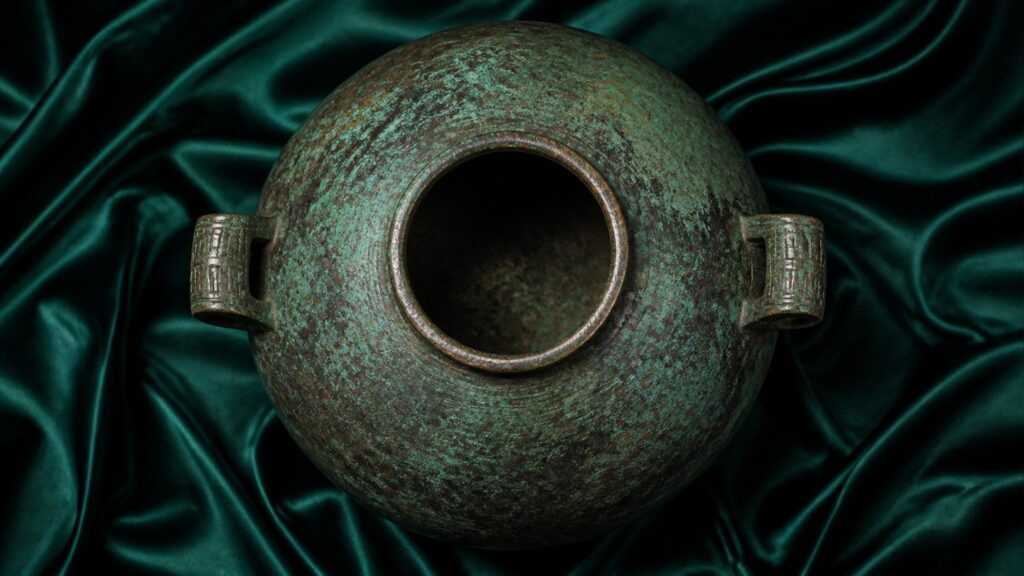
Patina is the surface layer that forms on bronze over time due to oxidation, chemical reactions, and environmental exposure. It’s not just a color; it’s a record of the object’s life. Genuine patina can be smooth and glossy from centuries of handling, or rough and textured from burial in soil. According to bronze patina techniques described by R.U.N. Art Foundry, patina is intentionally applied in modern art, but on ancient pieces it develops naturally.
Why Patina Matters for Authenticity
For collectors, patina is a key indicator of age. A genuine antique bronze will have a patina that is integral to the metal — it can’t be wiped off. In contrast, fakes often use paints, lacquers, or chemical treatments to mimic the look. As noted in expert clues for identifying antique Chinese bronze, the patina’s depth and interaction with the underlying metal are critical.
Types of Patina
Chinese bronzes can display several types of patina:
- Malachite green — a bright green, often seen on bronzes that were buried in copper-rich soils.
- Azurite blue — a deep blue, less common but highly prized.
- Reddish-brown — typical of ancient bronzes that have been exposed to air and moisture.
- Black or dark brown — often from lacquer or long-term burial in organic matter.
Each type forms under specific conditions, and genuine examples often show a mix of colors that blend naturally.
The Main Body
Examine the Color and Layering
Real patina is rarely uniform. It develops in layers, with different colors emerging as the environment changes. Look for subtle variations in hue — a single-tone surface is suspicious. Genuine patina often has a translucent quality, allowing you to see the bronze beneath. Artificial patina, on the other hand, tends to sit on the surface like paint.
One test is to observe the patina in natural light. Tilt the object and see if the patina reflects light differently across the surface. Genuine patina will have a matte, organic sheen, while fake patina may appear glossy or flat.
Check the Texture and Depth
Run your fingers over the surface (if allowed by the seller). Real patina feels smooth but not slick — it’s part of the metal. You may feel subtle undulations or pits where corrosion has occurred. In contrast, fake patina often feels brittle or flaky, and may chip off if scratched gently.
According to guidance on identifying real bronze sculptures, the patina should be continuous into any recesses or crevices. If you see bare metal in deep grooves, it might indicate that the patina was applied after casting.
Look for Signs of Age
Age reveals itself in subtle ways. Genuine patina may have tiny cracks, known as craquelure, that form over decades. These cracks are natural and follow the contours of the object. Also, look for areas where the patina has been worn away by handling — such as the edges of a vessel or the base of a statue. This wear should be gradual, not abrupt.
Be wary of patina that appears too perfect. As Bob Atchison’s guide to bronze patinas explains, even artificially aged patinas often lack the randomness of natural corrosion.
Perform a Simple Water Test
While you shouldn’t damage an antique, a tiny drop of water on an inconspicuous area can be informative. Genuine patina is porous and will absorb water slowly, causing the color to darken temporarily. Fake patina, if it’s a lacquer or paint, will repel water and bead up. Always ask the seller for permission before testing.
Consider the Context
Patina alone doesn’t guarantee authenticity. The object’s shape, casting technique, and provenance all matter. A bronze with a convincing patina but a modern casting seam is likely a fake. Conversely, a bronze with a slightly worn patina but impeccable casting might be genuine. Always evaluate the whole object.
If you’re new to Chinese bronzes, it’s wise to start with reputable dealers or auction houses that guarantee authenticity. You can also expand your knowledge by exploring related areas, such as our collection of Chinese antiques to see how patina appears on different items.
Practical Tips
- Use a magnifying glass to inspect the patina for natural fissures and inclusions that indicate age.
- Smell the object — genuine patina has an earthy, metallic scent, while fake patina may smell of paint or chemicals.
- Compare with known examples — visit museums or reputable online galleries to train your eye.
- Ask for provenance — a documented history adds confidence to any patina assessment.
- Consult an expert for high-value pieces; a professional appraisal is worth the cost.
Common Mistakes to Avoid
- Assuming all green is malachite — artificial patinas can mimic green, but often lack the depth and translucency.
- Ignoring the rest of the object — a perfect patina on a poorly cast bronze is a red flag.
- Relying on the ‘scratch test’ — scratching can damage a genuine patina and is not always reliable.
- Overlooking the base — check the bottom and interior of vessels; genuine patina should be present there too.
- Being swayed by a dramatic story — provenance should be documented, not just told.
Conclusion / Key Takeaways
Identifying real Chinese bronze patina is a skill that combines observation, knowledge, and a healthy dose of skepticism. Genuine patina is a natural, layered phenomenon that reflects the object’s history. By examining color, texture, and signs of age, you can avoid many common fakes.
Remember, patina is just one piece of the puzzle. Always consider the entire object, seek expert advice when needed, and buy from reputable sources. As you continue your journey into Chinese antiques, you’ll find that each piece tells a story — and the patina is the opening chapter.
For more insights on authenticating and enjoying antique treasures, explore our guides on verifying jadeite authenticity and understanding jadeite rarity. And if you’re looking to expand your collection, browse our antiques or jadeite categories.
FAQ
What does real Chinese bronze patina look like?
Real patina is multi-layered, with subtle color variations like malachite green, azurite blue, or reddish-brown. It has a matte, organic sheen and feels smooth but not slick. It often shows natural cracks or wear patterns that indicate age.
Can I test patina without damaging the bronze?
Yes, you can use a magnifying glass to inspect for natural fissures, or place a tiny drop of water on an inconspicuous area. Genuine patina absorbs water slowly, while fake patina beads up. Always ask permission first.
Is patina the only indicator of authenticity?
No. Patina is important, but you should also examine the casting quality, shape, and provenance. A convincing patina on a modern cast is still a fake.
How can I learn to spot fake patina?
Study genuine examples in museums or reputable galleries, and read expert guides. Look for uniformity and surface-level color, which are signs of artificial treatment. Consulting an expert is best for high-value items.