Introduction
Chinese bronzes are among the most revered artifacts in the world of antiques, prized for their age, craftsmanship, and the beautiful patina that develops over centuries. For collectors and enthusiasts, the patina is often the first thing they examine—it can tell you whether a piece is genuinely ancient or a modern reproduction. But with fakes becoming increasingly sophisticated, distinguishing real Chinese bronze patina from fake is more challenging than ever. This guide will teach you what to look for, from color and texture to scientific testing, so you can buy with confidence.
Whether you are just starting your collection or are a seasoned buyer, understanding patina is essential. Authentic patina is not just a surface layer—it is the result of chemical reactions over hundreds or thousands of years. Fakes, on the other hand, often try to mimic this with artificial treatments. By the end of this article, you will know the key differences and be equipped to make smarter purchasing decisions.
If you are also interested in other authentic Chinese antiques, explore our collection of Chinese antiques for pieces that have been carefully curated.
Background / Key Concepts
What is Patina?
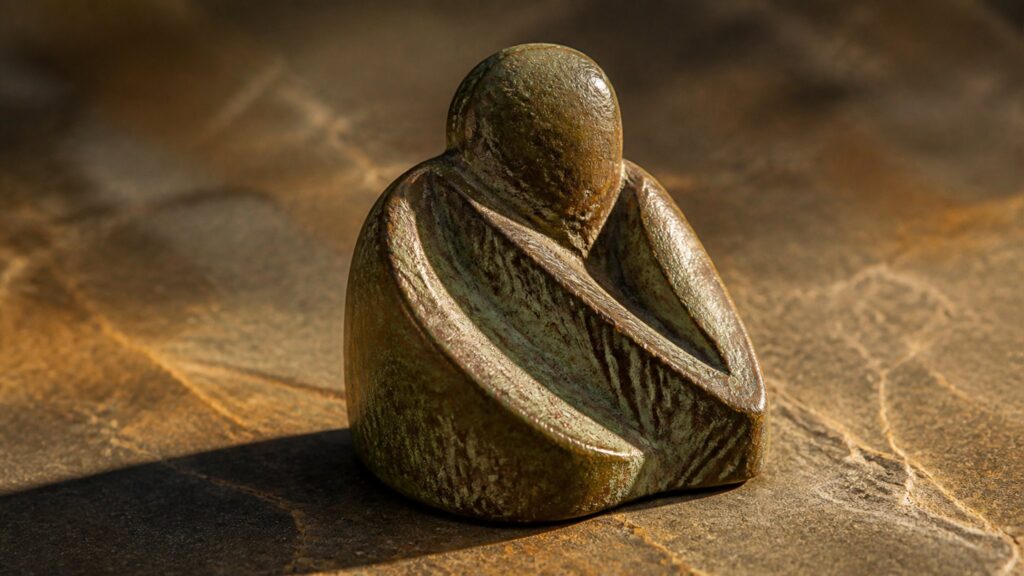
Patina is the thin layer that forms on the surface of bronze over time due to oxidation and environmental exposure. It can range in color from green and blue to brown and black, depending on the metal’s composition and the conditions it has been exposed to. In Chinese bronzes, the most prized patina is often a rich, deep green known as ‘malachite green,’ but other colors are also valued.
Authentic patina is not a uniform coating. It develops unevenly, with variations in color and texture that reflect the piece’s history. It is also stable—it does not flake off easily and is often hard and smooth to the touch. This is because it has had centuries to bond with the metal surface.
Why Patina Matters for Authentication
Patina is one of the most reliable indicators of age. As Christie’s explains in their collecting guide to ancient Chinese bronzes, patina is a key factor in dating and authenticating vessels and ritual objects. Fake patina is often applied to make modern reproductions look old, but it rarely mimics the natural complexity of real patina.
For a deeper dive into how experts examine patina, you can read our own guide on identifying real Chinese bronze patina.
The Main Body
Visual Clues: Color and Texture
Real patina has a depth and richness that is hard to replicate. Look for variations in color—genuine patina often has multiple shades, with darker tones in crevices and lighter areas on raised surfaces. The texture should feel smooth and slightly waxy, not rough or powdery. Fake patina is often too uniform, either a single flat color or applied in streaks.
When you look at a genuine bronze, you might notice tiny pits or bumps—these are natural and result from the corrosion process. Fakes may try to imitate this but often fail to create the same organic pattern. Also, real patina tends to be translucent; you can sometimes see the metal beneath if you look closely.
Chemical Tests and Their Limits
Collectors often use simple tests to check patina. One common test is applying a drop of vinegar or lemon juice to an inconspicuous area. Real patina is generally resistant to mild acids, while fake patina may bubble or dissolve. However, this test is not foolproof and can damage the piece, so it should only be done with extreme caution.
A more reliable method is to consult a professional who can perform non-destructive testing, such as X-ray fluorescence (XRF) analysis. This can reveal the elemental composition of the bronze and the patina, helping to confirm its age. As the R.U.N. Art Foundry notes in their guide to bronze patinas, understanding the chemistry of patina is crucial for both artists and collectors.
Examining the Surface Under Magnification
Using a jeweler’s loupe or a microscope can reveal details invisible to the naked eye. Real patina often shows a crystalline structure, with tiny interlocking crystals that form over time. Fake patina, on the other hand, may look amorphous or have a painted-on appearance. Also, look for signs of wear—genuine bronzes will have worn areas where the patina has been rubbed away, revealing the metal beneath, while fakes may show artificial wear patterns.
Provenance and Documentation
While patina is important, it should not be the only factor. Provenance—the documented history of ownership—is crucial. A piece with a well-documented history is far more likely to be authentic. Auction houses like Christie’s emphasize the importance of provenance in their collecting guides. Always ask for documentation and be wary of pieces that lack any history.
For those interested in adding authentic jadeite pieces to their collection, we also offer a range of natural jadeite jewelry that undergoes rigorous authenticity checks.
Practical Tips
- Educate yourself: Read books and articles on Chinese bronzes, and visit museums to see genuine pieces up close.
- Start small: Begin with less expensive pieces to build your eye before investing in high-value items.
- Ask for provenance: Always request documentation of the piece’s history, including previous owners and exhibitions.
- Consult experts: When in doubt, seek advice from a specialist appraiser or a recognized authentication service.
- Examine with tools: Use a magnifying glass or microscope to inspect the patina closely.
- Be cautious of ‘too good to be true’ deals: If a piece is priced well below market value, it is likely a fake.
Common Mistakes to Avoid
- Relying solely on patina: Patina is just one clue; always consider the overall style, casting marks, and provenance.
- Trusting a uniform patina: Real patina is never perfectly uniform; a consistent layer is often a sign of artificial aging.
- Using damaging tests: Acid tests can harm the patina and reduce the value of a genuine piece.
- Ignoring the base: The patina on the bottom or inside of a vessel is often more revealing than the exterior.
- Buying without documentation: A lack of provenance is a major red flag.
Conclusion / Key Takeaways
Spotting real Chinese bronze patina vs fake requires a combination of knowledge, observation, and caution. Remember that authentic patina is complex, with color variations, a smooth texture, and a crystalline structure under magnification. Fake patina is often too uniform and lacks the depth of natural corrosion.
Always consider the whole picture: style, casting techniques, and provenance. When in doubt, consult a professional. With these skills, you can confidently navigate the world of Chinese bronzes and build a collection of genuine artifacts.
For more insights into authentic Asian antiques and jewelry, explore our antiques collection and learn about the value of jadeite in our blog.
FAQ
What is the most reliable way to test Chinese bronze patina?
The most reliable method is non-destructive analysis like X-ray fluorescence (XRF) performed by a professional. Simple acid tests can damage the piece and are not conclusive.
Can fake patina be detected by smell?
Some collectors report that fake patina has a chemical or paint-like odor, while real patina is odorless. However, this is not a definitive test and should not be relied upon.
Is green patina always a sign of age?
Not necessarily. Artificial patinas can be applied to mimic a green color. Look for the depth and texture of the patina, as well as other signs of age, such as wear and casting techniques.
Should I clean the patina off a bronze?
No. Cleaning the patina can significantly reduce the value and authenticity of a piece. Patina is a sign of age and should be preserved.