Introduction
Jadeite has been treasured for centuries, but not all jade is created equal. Among the various treatment categories, Type A jadeite stands as the gold standard: it has been naturally formed and only enhanced with wax or gentle polishing, never chemically treated or impregnated with polymers. For collectors and jewelry lovers, knowing how to distinguish authentic Type A jadeite from treated or imitation stones is essential for making a confident purchase. At VirtuCasa’s jadeite collection, every piece is crafted from natural jadeite, ensuring the integrity and lasting beauty that genuine Type A jadeite offers.
This guide will walk you through the key quality factors, common styles, sizing considerations, and price indicators, helping you shop with knowledge and confidence.
Understanding Quality Factors
Color
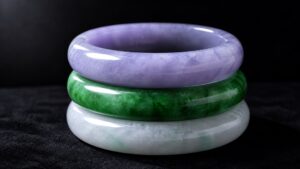
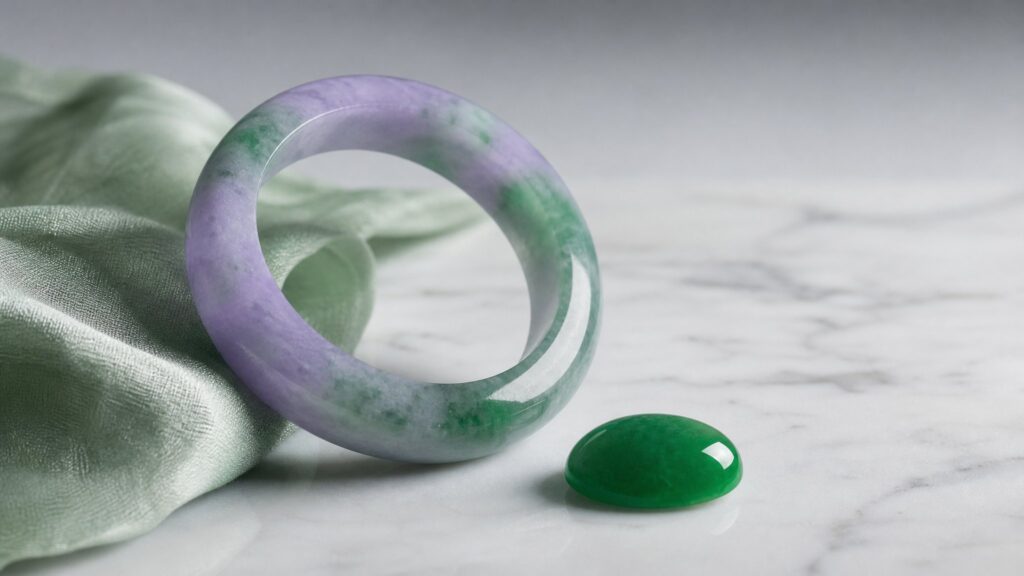
Color is the most influential factor in jadeite quality. According to GIA’s jade quality factors, color is evaluated under both fluorescent and incandescent light. Natural Type A jadeite exhibits vivid, even hues without unnatural brightening or dark patches. For example, VirtuCasa’s Natural Full-Green Jadeite Saddle Ring ($2,437) displays a dense yet translucent green with a warm vitreous luster. Meanwhile, pieces like the Natural Three-Color Jadeite Bracelet ($668) show harmonious blends of yellow, white, and light green—a testament to nature’s artistry.
Transparency and Texture
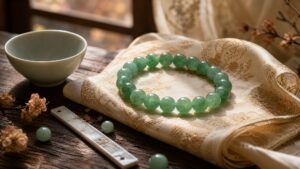
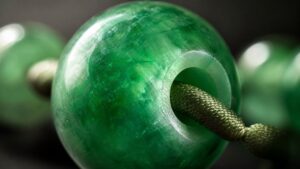
Transparency ranges from opaque to translucent, with highly translucent varieties like ice-type jadeite commanding higher value. Professional jadeite buying guides note that fine texture—smooth, dense, and free of cracks—is a hallmark of untreated Type A material. VirtuCasa’s Natural Ice-type Jadeite Bracelet with Floating Green Patterns ($1,517) exemplifies this with a cool, glassy sheen and delicate floating green patterns. The 16mm beads (13 total, weighing 101g) offer a substantial hand feel that reflects the dense quality of the stone.
Craftsmanship and Finish
Carving and setting quality also signal authenticity. Real Type A jadeite is often cut into smooth cabochons, beads, or saddle shapes that showcase the stone’s natural beauty. The Natural Ice-type Violet Jadeite Cabochon Ring Set ($1,926) pairs a vivid violet cabochon with 18K white gold, sapphires, and diamonds—elevating the piece while preserving the jadeite’s untreated integrity.
Types & Styles
Jadeite appears in many forms, from classic bead bracelets to intricately set rings. VirtuCasa’s range illustrates the diversity of Type A jadeite:
- Bracelets: Flexible bead bracelets like the Natural Jadeite Bracelet ($1,008) feature 19 beads of 10mm diameter in a soft lavender-white hue. Ice-type bracelets such as the floating green design offer higher transparency.
- Earrings: The Natural Jadeite Tassel Earrings ($852) combine deep green beads with 18K gold-plated chains for a graceful drop effect.
- Rings: Saddle rings, like the Natural Jadeite Saddle Ring with Floating Green ($719), offer a classic carved silhouette. The ice-type cabochon ring set demonstrates modern fine-jewelry integration.
- Necklaces: Multi-strand or single-strand designs, such as the Natural Ice-type Tricolor Jade Necklace ($825), showcase nature’s color variations in beads as small as 5.3mm.
How to Choose the Right Size & Fit
Size and fit are crucial for comfort and visual harmony. VirtuCasa provides detailed measurements for each piece. For bracelets, the total circumference and bead diameter determine wrist compatibility. The Natural Jadeite Bracelet, for instance, has an 18cm circumference with 10mm beads, fitting wrists of 16–19cm. Larger beads (16mm in the ice-type bracelet) create a bolder statement. Ring sizes are specified as traditional whole numbers (e.g., size 15, 24, 26) or custom fit. The saddle ring designs accommodate various finger circumferences; the 13.5g weight of the floating green saddle ring provides a balanced feel without being heavy. Necklaces vary in bead size and strand length: the ice-type tricolor necklace with 5.3mm beads is lightweight (25.8g) for daily wear, while the Natural Ice-type Violet Jade Bead Necklace ($6,649) uses larger beads (10–12mm, 68 beads) weighing 158g for a more substantial presence.
Price & Value
What determines the price of Type A jadeite? The key factors are color intensity, transparency, texture, and size. Reputable jadeite buying guides emphasize that only natural Type A jade retains structural stability for long-term wear, which adds to its value. At VirtuCasa, you can find entry-level pieces like the three-color bracelet at $668, or premium investments like the ice-type violet necklace at $6,649. Mid-range options such as the $1,008 lavender bracelet or the $852 tassel earrings offer excellent quality for everyday elegance. The most expensive items—such as the full-green saddle ring ($2,437) and the ice-type violet necklace ($6,649)—reflect rare colors, high translucency, and larger carvings. Remember, true Type A jadeite maintains its value; treatments may lower initial cost but degrade over time.
Common Mistakes to Avoid
- Ignoring treatment disclosure: Always verify that jadeite is labeled Type A. Treated B or C jade may look similar initially but can deteriorate.
- Judging color under one light: As noted by jade jewelry buying tips, evaluate color under both natural and incandescent light.
- Overlooking texture: Rough or porous surfaces may indicate treatment. Real Type A jadeite feels smooth and cool to the touch.
- Assuming all green jade is expensive: Color saturation, evenness, and transparency matter more than just being green.
- Skipping size verification: Check bead diameters, ring sizes, and wrist/neck measurements to avoid poor fit.
- Focusing only on price: A very low price often signals imitation or treated material. Trust the seller’s reputation and certification.
Top Picks
Based on our collection, here are five outstanding Type A jadeite pieces for different preferences:
- For a classic, everyday bracelet: Natural Jadeite Bracelet ($1,008) – Soft lavender-white hue, comfortable 30g weight, perfect for daily wear.
- For a touch of luxury: Natural Jadeite Tassel Earrings ($852) – Vibrant green beads with 18K gold-plated chains, ideal for evening elegance.
- For collectors seeking translucency: Natural Ice-type Jadeite Bracelet with Floating Green Patterns ($1,517) – High transparency, substantial 101g weight, unique floating green patterns.
- For a versatile necklace: Natural Ice-type Tricolor Jade Necklace ($740) – Lightweight (10.4g), miniature 3.5mm beads, perfect for layering or delicate daily wear.
- For a bold investment piece: Natural Ice-type Violet Jade Bead Necklace ($6,649) – Rare violet color, cool ethereal luster, 158g with 68 beads for a commanding presence.
Final Tips / Conclusion
Recognizing real Type A jadeite requires attention to color, texture, transparency, and craftsmanship. Always purchase from reputable sellers who disclose treatment status. VirtuCasa’s entire jadeite collection consists of natural, untreated stones, giving you peace of mind with every piece. Whether you choose a simple bead bracelet or an intricate ring set, understanding these core principles will help you treasure your jadeite for years to come.
FAQ
What is Type A jadeite?
Type A jadeite refers to natural jadeite that has not been chemically treated or impregnated with polymers. It may be waxed or polished, but its internal structure remains unchanged. This is the only type of jadeite considered stable for long-term wear and is highly valued in the market.
How can I tell if jadeite is Type A just by looking?
While a definitive test requires gemological equipment, Type A jadeite typically shows natural color variations, a smooth and cool texture, and no artificial brightening under different lighting. Check for even color distribution and absence of resin-like residues. Buying from trusted sellers who certify their pieces as Type A is the safest approach.
Does the price of Type A jadeite vary a lot?
Yes, prices vary widely based on color saturation, transparency, texture, and size. For example, a three-color bracelet at VirtuCasa is $668, while a large ice-type violet necklace is $6,649. Higher translucency, intense colors, and larger carvings command premium prices.
Can Type A jadeite be worn every day?
Absolutely. Type A jadeite is durable and stable, making it suitable for daily wear. Many VirtuCasa pieces like the lavender bracelet or tricolor necklace are lightweight and comfortable for regular use. Avoid harsh chemicals or extreme impacts to preserve its luster.