Jet : The Ancient Black Gem – A Comprehensive Guide
How to identify real Whitby jet vs. plastic fakes?
Introduction
Jet, known as “煤玉” (Méi Yù) or “煤精” (Méi Jīng) in Chinese, is a rare organic gemstone formed from fossilized wood under extreme pressure. With a history dating back to Neolithic China (e.g., 7,200-year-old ear ornaments from Shenyang’s Xinle site), jet was revered as a “black jewel” and later flourished in Han Dynasty carvings (e.g., ram-shaped pendants). Its Victorian-era popularity earned it the nickname “black amber.”
Physical & Chemical Properties
- Composition:
- Carbon (75–90%), with hydrogen, oxygen, and sulfur.
- A type of lignite (organic sedimentary rock).
- Hardness: 2.5–4 on Mohs scale (softer than most gems).
- Density: 1.30–1.35 g/cm³ (lighter than onyx).
- Luster: Waxy to resinous; opaque.
- Unique Trait: Electrostatic when rubbed (like amber).
Archaeological Note:
Zhou Dynasty (1046–256 BCE) tombs in Shaanxi yielded jet rings, proving its elite status.
Color & Authenticity
- Hue: Deep black or brownish-black.
- Tests:
- Heat Test: Releases coal-like odor (unlike plastic imitations).
- UV Light: May show faint brown fluorescence.
Historical & Cultural Significance
- Ancient China:
- Symbolized protection; carved into bixi (避邪) amulets.
- Victorian England:
- Mourning jewelry for Queen Victoria (1861).
- Shared Belief:
- Thought to ward off evil and absorb negative energy.
Global Sources
- Premium Jet:
- England (Whitby): 180 million-year-old deposits.
- China (Fushun): Ancient mining center.
- Modern Supply:
- Limited due to depleted mines; most “jet” today is dyed shale or plastic.
Craftsmanship & Uses
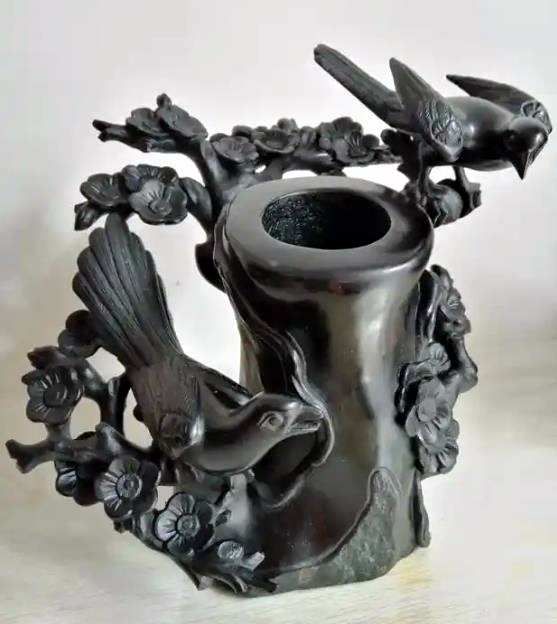
- Traditional Carvings:
- Animals: Rams, cicadas (Han Dynasty).
- Beads: Polished into funeral necklaces.
- Modern Jewelry:
- Cabochons: Often backed with foil to enhance shine.
- Warning: Avoid water/chemicals to prevent cracking.
Why Jet?
- Historical Weight: A tangible link to Neolithic artisans.
- Eco-Allure: Fossil-based, unlike synthetic alternatives.
How to identify real Whitby jet vs. plastic fakes? Explore jet’s legacy at VirtuCasa.com.
FAQ
What is the best way to test if jet is real?
The most reliable household test is the heat test: gently warm a needle point and press it against an inconspicuous area. Real jet produces a coal-like odor, while plastic or resin will smell chemical. Also, jet feels warm to the touch initially and is very light compared to black onyx or obsidian.
How can I distinguish jet from black onyx or obsidian?
Jet is significantly lighter (density ~1.30 g/cm³) and will feel warm when you touch it, while onyx and obsidian are heavier and colder. Under magnification, jet may show a woody grain texture, whereas onyx and obsidian appear glassy.
Is jet still mined today?
Authentic Whitby jet is rarely mined due to depleted deposits. Most black stones sold as jet today are actually dyed shale, vulcanite, or plastic. True jet from historical sources like Whitby or Fushun is considered collectible and increasingly scarce.
- Jadeite: The King of Jade – A Complete Guide
- Turquoise: A Comprehensive Guide
- Serpentine Jade: A Comprehensive Introduction
- Dushan Jade: China’s Forgotten Gemstone
- Hetian Jade (Nephrite): The Imperial Gem of China
- Agate: Nature’s Kaleidoscope – A Complete Guide
- Malachite: The Captivating Green Gemstone – A Complete Guide
- Lapis Lazuli: The Celestial Stone – A Comprehensive Guide
- Quartzite Jade: A Guide to Earth’s Crystalline Treasures
- Lantian Jade: The Enigmatic Gem of Ancient China
- Rock Crystal: Nature’s Transparent Treasure – A Complete Guide
- Tourmaline: The Rainbow Gemstone – A Comprehensive Guide
- Ruby & Sapphire: The Royal Gemstones – A Complete Guide
- Peridot: The Sun-Kissed Gem – A Comprehensive Guide
- Topaz: The Fire Gem – A Complete Guide