Introduction
Jade has been cherished in China for millennia, not only as a beautiful material but as a stone with deep cultural, spiritual, and even moral significance. For anyone shopping for jade jewelry or antiques — or simply curious about the traditions behind a piece — understanding jade color symbolism adds a layer of meaning that goes far beyond aesthetics. The color of a jade piece can hint at the values, blessings, and stories that generations of Chinese families have associated with it.
In this article, you will learn the fundamentals of jade in Chinese culture, how different colors are traditionally interpreted, and how to use that knowledge when choosing, wearing, or gifting jade. We will also cover practical tips and common mistakes so you can approach jade with confidence rather than guesswork. Whether you are drawn to a vivid green bangle or a soft lavender pendant, the symbolism behind the color can make your choice more personal and meaningful.
It is worth noting that color symbolism is a cultural tradition, not a scientific rule. Interpretations vary by region, family, and era, and the most important guide is always your own connection to the piece. Still, knowing the common associations helps you appreciate why certain colors have been prized for centuries and how those associations continue to shape the jade market today.
Background / Key Concepts
Before diving into colors, it helps to understand what jade is and why it occupies such a special place in Chinese culture. The word “jade” in English actually covers two distinct minerals: nephrite and jadeite. Nephrite has been used in China for thousands of years, while jadeite became popular later, particularly during the Qing dynasty. Both are considered “true jade,” but they differ in composition, color range, and rarity. For a deeper look at the material itself, see our overview of jadeite.
Jade as a Cultural Symbol
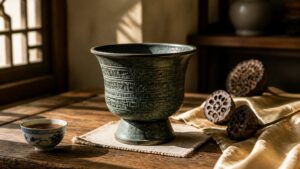
In Chinese tradition, jade is often associated with virtues such as purity, integrity, benevolence, and wisdom. Confucian thinkers likened the stone’s qualities to the ideal character of a gentleman. As an overview of Chinese jade culture explains, jade has been embedded in Chinese history and daily life for centuries, used in ritual objects, ornaments, and personal adornment. This long association is why jade is sometimes called the “stone of heaven.”
Why Color Matters
Color is one of the first things people notice about jade, and in Chinese culture it is often linked to specific blessings or energies. Different colors are traditionally thought to correspond to different aspects of life — health, prosperity, protection, or spiritual calm. While these associations are symbolic rather than scientific, they influence how jade is chosen for gifts and how pieces are worn. For a broader discussion of the meaning of wearing jade, see our article on what wearing jade means in Chinese culture.
The Main Body: What Each Jade Color Symbolizes
Below is a guide to the most common jade colors and the symbolism traditionally attached to them. Keep in mind that these are cultural interpretations, and individual pieces can vary widely in tone and saturation.
Green Jade: Vitality, Harmony, and Prosperity
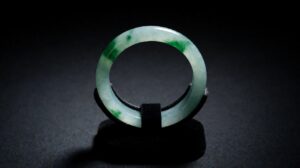
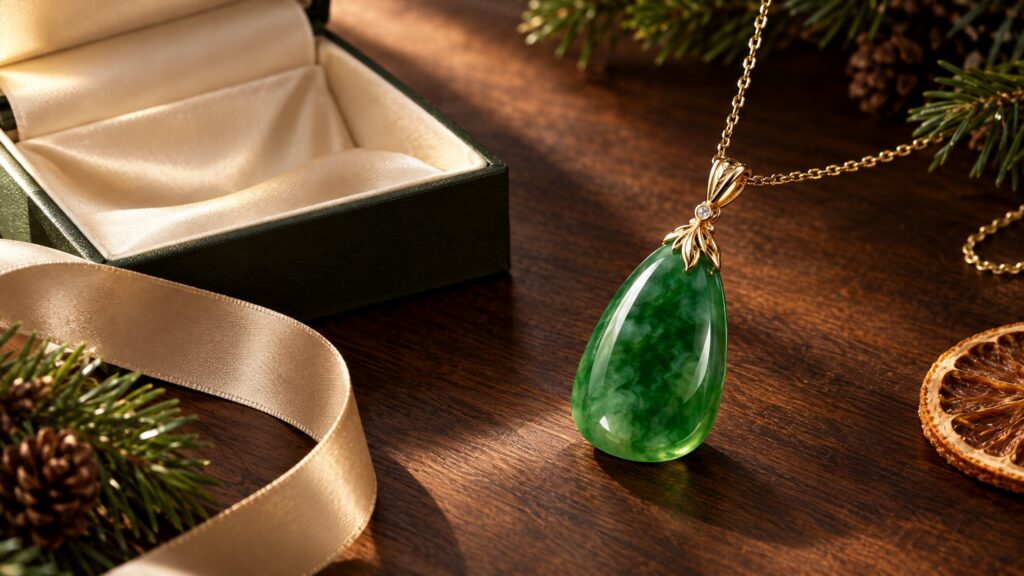
Green is the most iconic jade color and the one most people picture when they think of jade. In Chinese culture, green jade is often associated with growth, vitality, harmony, and prosperity. It is also linked to health and balance. The color can range from pale celadon to deep emerald, and each shade carries its own character. Full-green jadeite, in particular, is highly valued for its vivid color. If you are comparing styles, our guide to ice-type versus full-green jadeite bracelets explains how color and translucency interact.
White Jade: Purity, Clarity, and Calm
White jade, especially the creamy “mutton-fat” variety prized in nephrite, symbolizes purity, clarity, and calm. It is often associated with sincerity and a peaceful mind. In traditional thought, white jade represents the ideal of a pure heart and is sometimes given as a gift to wish someone a clear, untroubled life.
Lavender Jade: Nobility, Romance, and Spiritual Growth
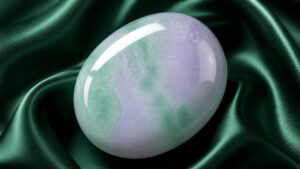
Lavender jadeite, sometimes called “spring color,” is admired for its soft violet tones. It is traditionally linked to nobility, romance, and spiritual growth. Because lavender jade is relatively rare, it often carries a sense of elegance and refinement. In modern jewelry, it is popular for pendants and rings where a gentle, distinctive color is desired.
Yellow and Brown Jade: Earth, Stability, and Wealth
Yellow jade is often associated with the earth, stability, and wealth. In Chinese culture, yellow has historically been an imperial color, linked to the center and to grounded power. Brown and russet tones, sometimes called “sugar” jade, are similarly connected to the earth and are valued for their warm, natural appearance.
Black Jade: Protection and Strength
Black jade, including dark nephrite and very dark jadeite, is traditionally associated with protection and strength. It is sometimes worn as a talisman to ward off negative influences. Its deep color gives it a bold, grounding presence, and it is often chosen by people who prefer a more understated look.
Red, Orange, and Multi-Color Jade
Red and orange tones in jade are often linked to energy, passion, and good fortune. Multi-color pieces, which combine several hues in one stone, are appreciated for their uniqueness and are sometimes seen as representing a balanced life. Because natural jade varies so much, multi-color pieces are often one of a kind.
When evaluating any color, remember that treatment can affect appearance. Our explainer on Jade A, B, C grades and what each treatment means can help you understand what you are buying. If you are shopping for a complete look, our jadeite jewelry set buying guide covers necklaces, rings, and earrings.
Practical Tips
Understanding symbolism is only part of the journey. Here are some practical tips for choosing and caring for jade based on color:
- Choose a color that resonates with you. While cultural associations are meaningful, personal preference should always come first.
- Consider the occasion. Green or yellow jade can make a thoughtful gift for prosperity, while white or lavender may suit wishes for calm or elegance.
- Look at jade in natural light. Color can appear different under indoor lighting, so view pieces in daylight when possible.
- Ask about treatment. Color can be enhanced through treatments; understand the difference between natural and treated jade before buying.
- Match color to skin tone and wardrobe. Soft lavender and white jade flatter many complexions, while deep green and black make striking statements.
- Care for your jade gently. Avoid harsh chemicals and store pieces separately to prevent scratches.
Common Mistakes to Avoid
- Assuming color alone determines value. Transparency, texture, and treatment matter just as much as hue.
- Believing all green jade is the same. Green jadeite and green nephrite are different materials with different characteristics.
- Ignoring treatment labels. Treated jade may look vivid but is not equivalent to natural, untreated jade.
- Overlooking cultural context. Symbolism is a tradition, not a guarantee; use it as a guide, not a rule.
- Buying without seeing the piece. Photos can be misleading; ask for detailed images and descriptions.
Conclusion / Key Takeaways
Jade color symbolism offers a rich framework for understanding why certain pieces have been treasured across Chinese history. Green jade evokes vitality and harmony, white jade purity and calm, lavender nobility and romance, yellow stability and wealth, and black protection and strength. These associations are cultural rather than scientific, but they add depth to the experience of wearing and gifting jade.
As you explore jade jewelry or antiques, let symbolism inform your choice without dictating it. Pay attention to the material, treatment, and craftsmanship as well as the color. With a little knowledge, you can select a piece that is both beautiful and personally meaningful. For further reading, explore our collections of jadeite pendants and Chinese antiques to see how color and tradition come together in real pieces.
FAQ
What does green jade symbolize in Chinese culture?
Green jade is traditionally associated with vitality, harmony, prosperity, and health. It is the most iconic jade color and is often given as a wish for a balanced and flourishing life.
Is lavender jade natural?
Lavender jadeite can occur naturally, but its color may also be enhanced through treatments. Always ask about treatment status and look for clear grading information before buying.
Does jade color affect its value?
Yes, color is one of several factors that influence value, along with transparency, texture, and whether the jade is natural or treated. Rare colors such as vivid green or lavender often command higher prices, but personal preference also matters.
Can I wear jade every day?
Jade is a durable stone and can be worn daily with reasonable care. Avoid harsh chemicals and store pieces separately to prevent scratches.